







Search Results for: ice-free cup volume
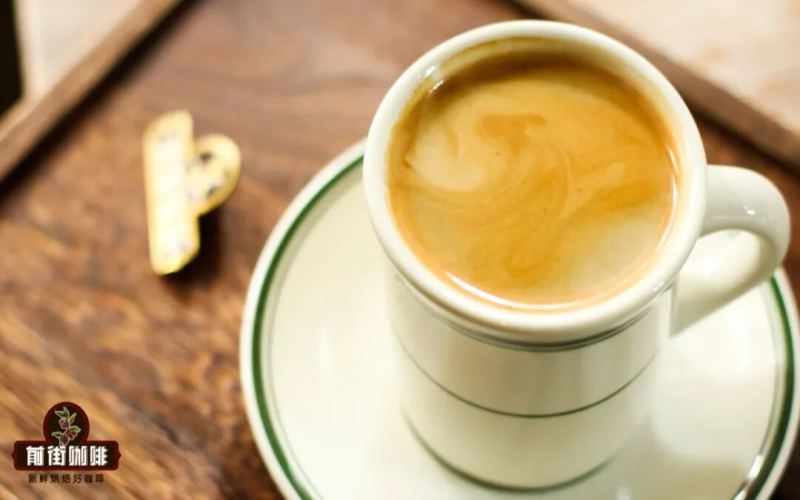
Espresso Coffee Brewing Methods | Why Is an Iced Americano from a Coffee Shop Warm After Removing the Ice? How Do You Make a Delicious Ice-Free Americano?
I wonder if any of you have ever ordered an "iced Americano without ice" at a coffee shop. If you have, then Front Street believes you were most likely puzzled by the coffee that was served. Why? Because the iced Americano without ice made by the vast majority of coffee shops differs somewhat from what you'd imagine. Regarding iced Americano without ice, what you'd imagine is [more…]
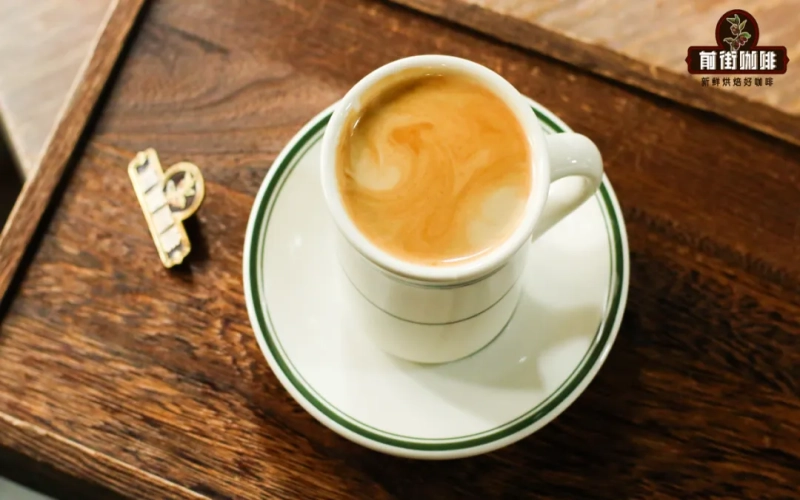
Why Is an Iced Americano Without Ice Often Warm? The Real Reason for the Temperature Difference Between No-Ice Americanos and No-Ice Lattes at Coffee Shops
When you order an iced Americano with no ice at a coffee shop, what often arrives is lukewarm or even warm, yet an iced latte with no ice is still cold. This difference leaves many coffee lovers puzzled. Drawing on the real-world experience of Front Street's stores, this article breaks down the underlying logic of how coffee shops make no-ice coffee, explains why no-ice Americanos are generally warm while no-ice lattes stay cold, and analyzes why coffee shops don't adopt the icing methods used by milk tea shops. Finally, it offers practical alternative ordering tips for those who want a lightly chilled Americano. The article also introduces Front Street's espresso bean series and the characteristics of its classic blend, making it a useful reference for coffee lovers who want to practice latte art at home or open their own shop. [more…]
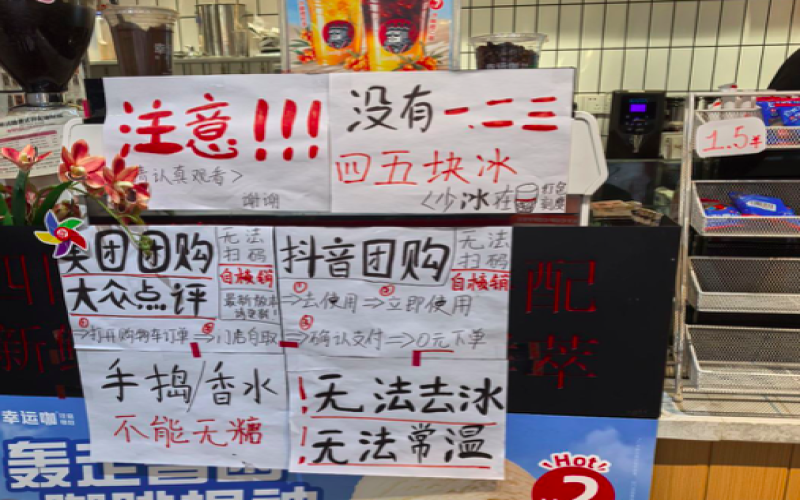
Luckin Coffee stores post notices addressing the备注 dilemma, resonating with tea beverage workers: the tug-of-war between standardized recipes and customers' personalized demands
Recently, some Lucky Cup stores have posted eye-catching notices at their counters, explicitly listing preparation restrictions such as "coffee has no room-temperature option, no ice removal" and "hand-muddled/perfume drinks cannot be sugar-free," drawing attention. In fact, similar friendly reminders appear at stores of multiple chain beverage brands, and staff members candidly admit: flexibly adjusting ice levels does not necessarily earn praise, but violating operating rules may lead to penalties. At the same time, some consumers give negative reviews due to changes in drink taste, putting frontline employees in a dilemma. This tug-of-war over formula standardization and personalized demands reflects the deep-seated contradiction in the chain beverage industry between unified output and accommodating consumer experience. [more…]

Luckin Coffee's ice controversy sparks debate: after removing ice, the cup is half empty, bringing the issue of ice proportions in chain beverages to the surface
Recently, Luckin Coffee made it onto Weibo's trending topics because its iced drinks contained too much ice and the cup volume decreased noticeably after removing the ice, triggering widespread consumer concern about the proportion of ice in chain coffee and milk tea shops. Many netizens posted comparison photos showing that after removing the ice, only half a cup of the drink remained, with some even joking about "looking for the latte in the ice." Luckin officially responded that its drinks are made according to a standardized recipe and that it will strengthen store training. At the same time, other brands such as Starbucks were also accused of a similar phenomenon. This article sorts out the course of the incident, netizen feedback, and official responses, and also includes professional exchange information from Front Street Coffee. [more…]

Why do iced coffees vary in cup volume when ordered without ice? Looking at the logic of topping up after removing ice in Americanos, Lattes, and Cappuccinos
When ordering an iced espresso drink without ice at a coffee shop, some people receive a full cup, while others get only a seven-tenths-full cup, or even half a cup. This difference in volume is not accidental, but is closely related to the store's business philosophy, recipe ratios, ice quality, and the concentration of the coffee beans and milk. Starting from the production practices at Front Street Coffee, this article analyzes why iced coffee drinks such as Americanos, lattes, and cappuccinos end up with different cup volumes after the ice is removed, and how adding water or milk after removing the ice affects the coffee's concentration, taste, and mouthfeel, helping coffee enthusiasts understand the logic of trade-offs behind a cup of ice-free coffee. [more…]
Why is a Dirty Coffee served in a small cup and meant to be finished in three sips? Front Street Coffee explains the cup-size logic and drinking approach of Dirty Coffee.
When you order a Dirty at a coffee shop, it often arrives in just a small cup—a few sips and it's gone, frequently leaving you wanting more. Both are espresso-and-milk combinations, so why can't a Dirty be made into a large cup like a latte? Behind the cup size actually lies the logic of flavor design. Drawing on Front Street Coffee's real-world experience, this article clarifies the true difference between a Dirty and an iced latte, explains why only a small cup can deliver a sense of layers, and puts a 300ml "big-bowl Dirty" to the test to see whether this supersized dirty coffee still tastes good. [more…]

Starbucks changes its ice cube shape: smaller, crispier, and easier to eat; official statement says it upgrades the mouthfeel and makes ice production more water-saving and eco-friendly.
Starbucks recently announced that it will change the type of ice used in its cold drinks. The new ice is smaller and crunchier, and the official explanation is mainly to cater to the growing number of consumers who have a habit of eating ice. However, this decision has also sparked polarized reactions: some are cheering that they can finally chew ice to their heart's content, while others worry that the ice will melt too quickly and dilute the flavor of the drinks. Notably, Starbucks had previously been criticized for charging extra for water-free/ice-free drinks, and now whether changing the ice is effectively reducing the amount of ice has also become a focus of discussion. This article will sort out the ins and outs of Starbucks' ice change, the official response, and netizen feedback, while also bringing coffee lovers relevant news about Front Street Coffee. [more…]
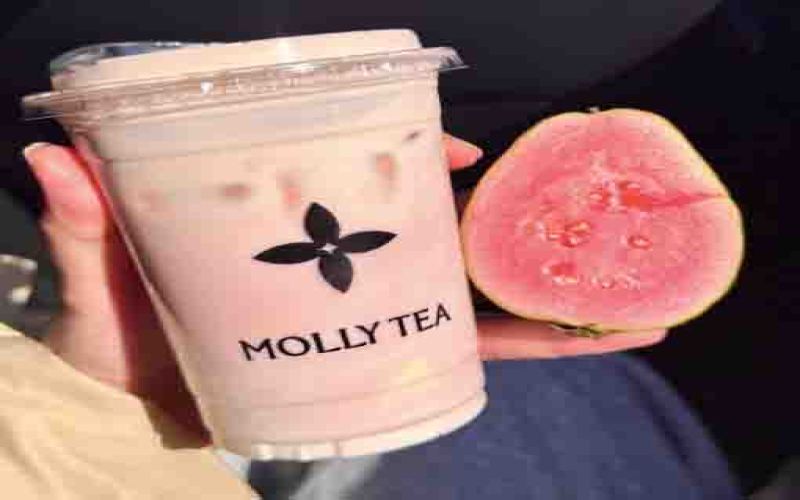
Jasmine Milk White Guava new drink criticized for astonishing amount of ice: the "less ice" option is practically useless, with ice filling half the cup.
Molly Tea recently launched its seasonal limited-edition "Exotic Guava Series," and the two new drinks—"Jasmine Cream Guava" and "Jasmine Guava Milk Skin"—quickly attracted a large number of consumers eager to try them, thanks to the pretty pink appeal of red-fleshed guava. However, not long after they hit the shelves, feedback flooding social platforms unexpectedly converged on one focal point—too much ice. Many customers found that even when they chose "less ice," the drink shrank by more than half after the ice was scooped out; some even fished thirty-five ice cubes out of a single less-ice drink. What exactly is going on here? And what secrets lie behind the ice standards at tea beverage shops? As an observer deeply engaged in coffee and beverage culture, Front Street Coffee is also paying attention to this phenomenon. [more…]
A Complete Analysis of Starbucks' Classic Espresso Drinks: Flavor Comparison of Eight Beverages Including Americano, Latte, and Flat White
Starbucks is a coffee brand beloved by many urban white-collar workers. Some people are passionate about collecting its merchandise cups, while others only drink its offerings. This article systematically sorts out the recipes, taste characteristics, and price ranges of Starbucks' classic espresso drinks, covering eight hot beverages including Americano, Latte, Cappuccino, Caramel Macchiato, Mocha, Espresso, Espresso Con Panna, and Espresso Macchiato, along with cold drink reminders and recommended secret menu hacks. Whether you are a beginner who has just encountered Starbucks or a seasoned connoisseur looking to find the flavor that suits you best, this guide can help you quickly pinpoint your ideal choice. [more…]

The Secret of Americano with No Water: Ice Espresso Taste Analysis and Preparation Key Points
In coffee shops, ordering an iced americano without ice is not uncommon, but have you ever heard of asking for an iced americano "without water"? This drink, known as an espresso over ice or iced espresso, is actually just espresso coming directly into contact with ice cubes. It has a rich mouthfeel and bright acidity, with less bitterness compared to hot espresso. This article will explain in detail the origins of this drinking method, how to make it, and, drawing on the "extract chilling" concept of 2021 WBC barista Hugh Kelly, explain why rapid cooling can lock in more aroma. At the same time, Front Street Coffee recommends a series of espresso beans suitable for making iced espresso, helping you easily recreate a professional flavor. [more…]
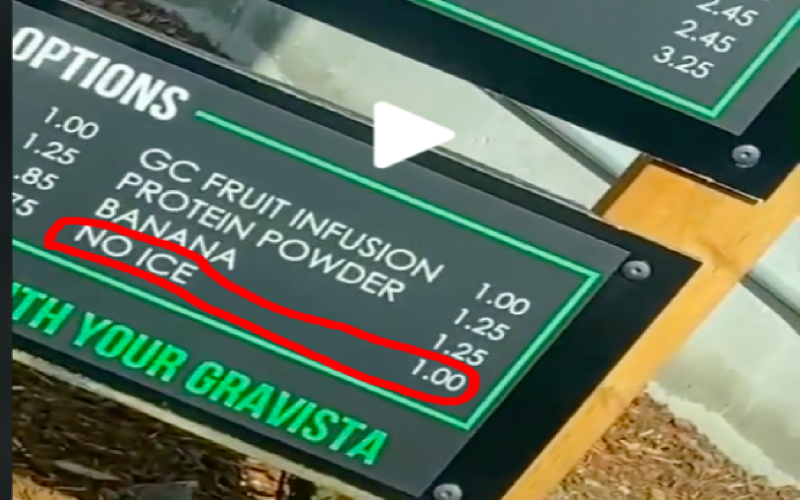
Does removing ice from coffee cost an extra dollar? Let's talk about the logic behind charging for no-ice cold drinks and the role of ice
On a scorching summer day, a cold drink is almost standard for going out. To get more of the drink itself, many people choose light ice or even no ice. However, a chain coffee shop in Seattle, USA, explicitly states on its menu: drinks without ice cost an extra $1. This rule has sparked heated discussion online, with some calling it exploitation and others expressing understanding—after all, no ice means the shop has to add more ingredients. Meanwhile, various bizarre coffee orders keep appearing on foreign social platforms, from Frappuccinos with N types of syrup to a $5 order of just milk, making one wonder: if a $5 cup of milk is acceptable, why is a $1 surcharge for a hot drink hard to accept? This article will guide you through this charging controversy and reacquaint you with the easily overlooked important role of ice in cold drinks. [more…]

Espresso Milk Coffee | What Is a Dirty Coffee and How Does It Differ from an Iced Latte? What Are the Differences in How You Drink a Dirty and an Iced Latte?
Since the ingredients used to make a Dirty and an iced latte are exactly the same—both are iced milk plus espresso—and they look much the same, both featuring a layered structure created by the milk and the espresso, Front Street Coffee often gets asked by customers drinking iced lattes: "Both are iced milk plus espresso, so what's the difference between a Dirty and [more…]
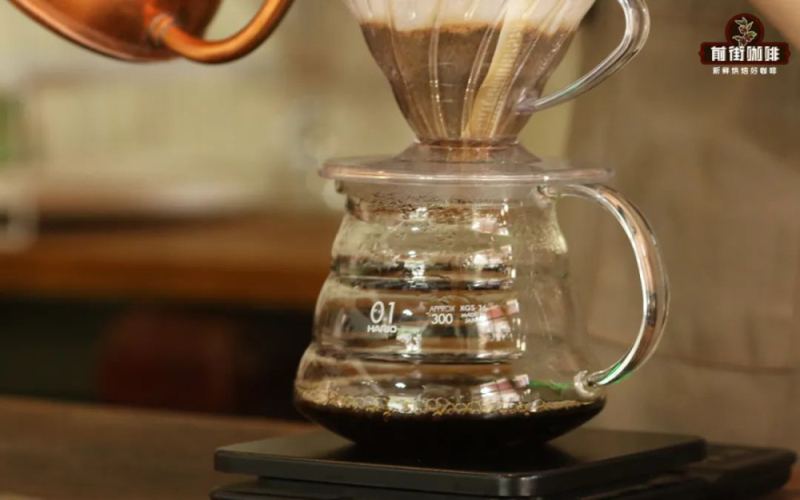
How should the water volume for each pour be scientifically configured when making pour-over coffee with staged pouring?
Segmented pouring in pour-over coffee seems simple, but in reality, even subtle changes in the water volume of each segment leave their mark in the cup. Many friends new to pour-over are often puzzled: how exactly should the water volume after blooming be divided? And in what direction do different distribution schemes take the flavor? Front Street used the Yirgacheffe Gote Gote as a sample and designed three comparative experiments, fixing the dose at 15 grams, the coffee-to-water ratio at 1:16, medium-fine grind, and water temperature at 91°C, changing only the water volume ratio between the second and third pours, to observe how acidity, sweetness, mouthfeel, and finish trend. The experiment also revealed the potential impact of the relationship between the height of the coffee bed wall and the water level on extraction uniformity, and offers reference ideas for flexible adjustment in actual practice. [more…]
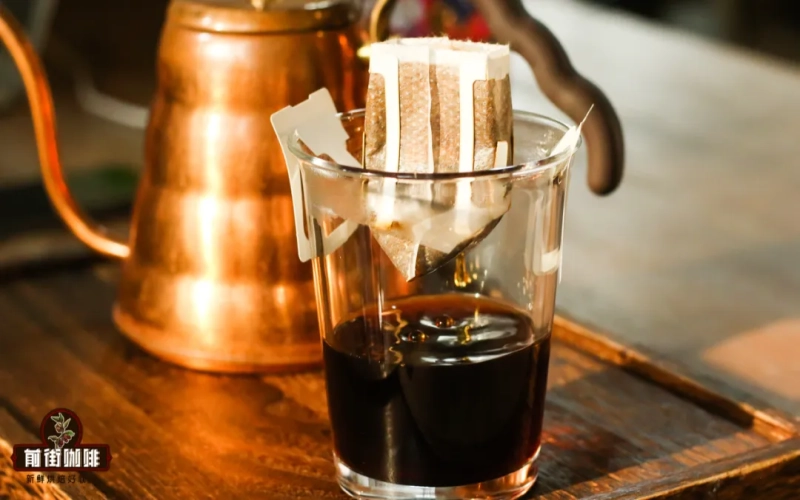
The Complete Guide to Drip Bag Coffee Brewing: Mastering the Three-Stage Control of Water Temperature, Volume, and Time, and Experiencing the Flavors of Front Street's Five Producing Regions
Drip bag coffee has become the top choice for many people during business trips, office work, and travel thanks to its convenience—no need to grind beans or use professional equipment. However, many people encounter problems such as weak flavor, sharp acidity, or noticeable astringency when brewing. In fact, as long as you master the three key parameters of water temperature, water volume, and brewing time, you can make a cup of coffee close to pour-over quality with a drip bag. This article will explain, one by one, the different water temperature requirements for light and dark roasts, the conversion method for a 1:15 coffee-to-water ratio, visual pouring techniques when no scale is available, and the complete process of pouring in 3~4 stages, blooming for 30 seconds, and a total time of about 2 minutes. It will also introduce the flavor sequence of Front Street Coffee's classic five-origin drip bag coffee, helping beginners get started easily. [more…]
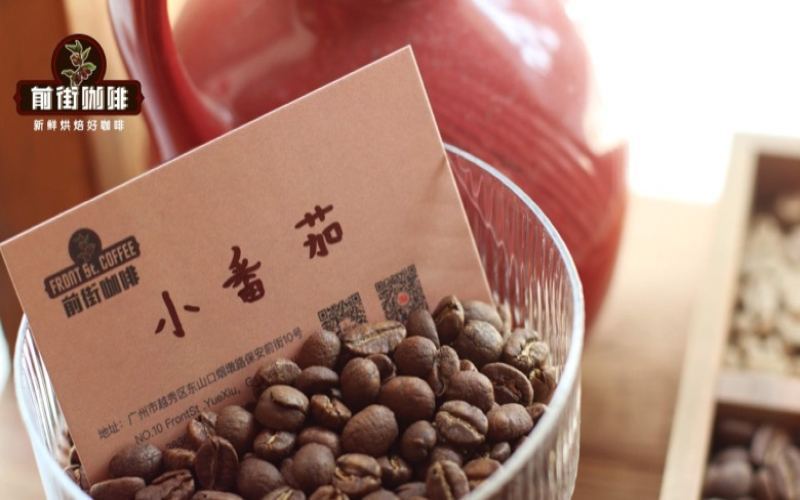
Fruity Aroma Gene Bank: A Profile of Origins and Processing Methods Behind Floral and Fruity Coffee Beans
The floral and fruity aromas of coffee are not magic conjured by the roaster, but genes written into the terroir of the producing region and the processing method. Flip through the origin records of the mainstream floral and fruity bean varieties on the market, and you will find that behind every fruity note lies a traceable origin story. The opening volume of the records is Ethiopia. As coffee's [more…]
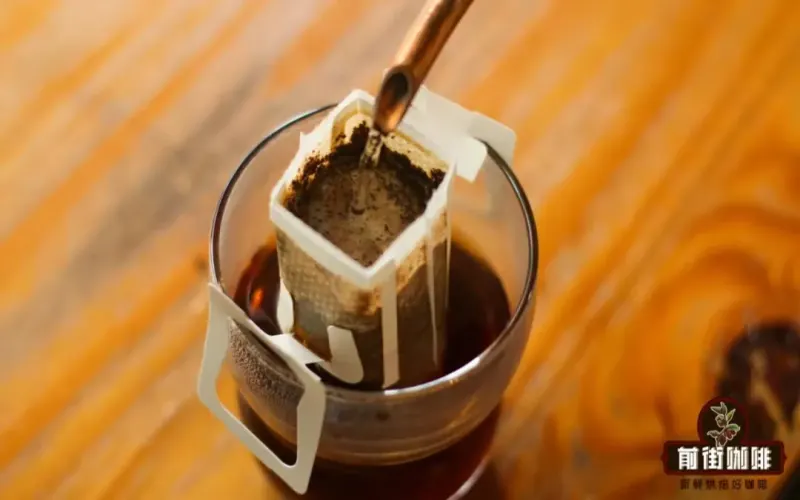
Analysis of the Differences Between Drip Bag Coffee and Pour-Over: Drip Bag Composition, Control of Water Temperature and Volume, and Simple Brewing Steps
Drip bag coffee has become the top choice for many people's daily coffee due to its portability and ease of operation. What exactly are the differences between it and pour-over coffee? This article will start with the structure of the drip bag, sort out the essential differences between it and pour-over in terms of equipment and process, and share a simplified brewing method that only requires attention to two parameters: water temperature and water volume. At the same time, for different taste preferences, the article also compiles the flavor characteristics and purchasing suggestions of multiple drip bag products under the Front Street Coffee brand, helping you obtain a cup of drip bag coffee with suitable strength and full flavor in the simplest way and with stable results. [more…]

How to make delicious lattes with different cup sizes? A complete adjustment approach from coffee-to-water ratio to milk pairing
When recreating a coffee shop latte at home, many people find that the taste is either too weak or too strong, but the problem often lies in the ratio of coffee to milk. Using Front Street's 300ml latte as a baseline, this article shares two approaches for adjusting cup size: one is to keep the ratio unchanged and adjust the dose and grind size in tandem; the other is to switch milk type or the number of espresso shots to suit different volumes. Whether you want to make a small cup or a large cup, the key is to rebalance the coffee strength and the amount of milk, rather than simply adding or reducing milk. [more…]

Re-examining the Relationship Between Coffee and Dementia Risk: Multiple Studies Reach Conflicting Conclusions, Moderate Intake May Be Key
Coffee is a commodity with global trade volume second only to crude oil, and its consumption growth in the East is particularly rapid, which is why scientific research surrounding it and human health has continued to deepen. Interestingly, the conclusions of related studies are not consistent: some have found that drinking coffee can slow cognitive decline, while others suggest that excessive consumption may shrink brain volume and increase dementia risk. This article reviews several representative cohort studies from around 2021, involving findings from Edith Cowan University in Australia, Tianjin Medical University, and the University of South Australia, attempting to clarify the complex associations between coffee intake and Alzheimer's disease and stroke, and to explore the relationship between the number of cups consumed daily and the safe upper limit of caffeine. [more…]
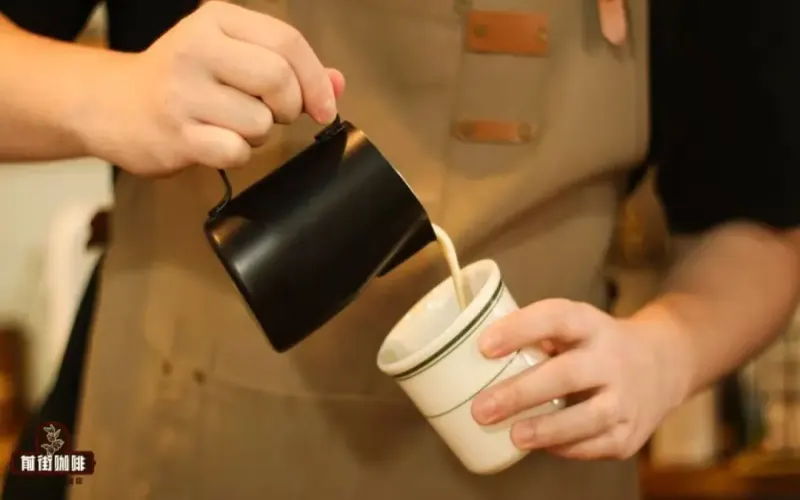
Key details in the milk-pouring and integration stage of latte art: how flow rate, pouring distance, and milk volume affect the final result
When making an espresso latte, the success of the latte art pattern often depends on whether the integration step is done properly. When integrated well, the pattern background is clean and the coffee flavor is unified; when integrated poorly, not only does the image look messy, but the mouthfeel also feels disjointed. Front Street Coffee points out that there are three easily overlooked details in the integration stage: the flow rate of the milk being poured, the distance between the milk pitcher and the liquid surface (the pouring distance), and the amount of milk used for integration. This article will break down these three key points one by one, explaining why a low flow rate combined with a high pouring distance is more conducive to integration, as well as the specific requirements for integration milk volume for different latte art patterns, helping you make latte coffee with consistent flavor and a clean image at home. [more…]
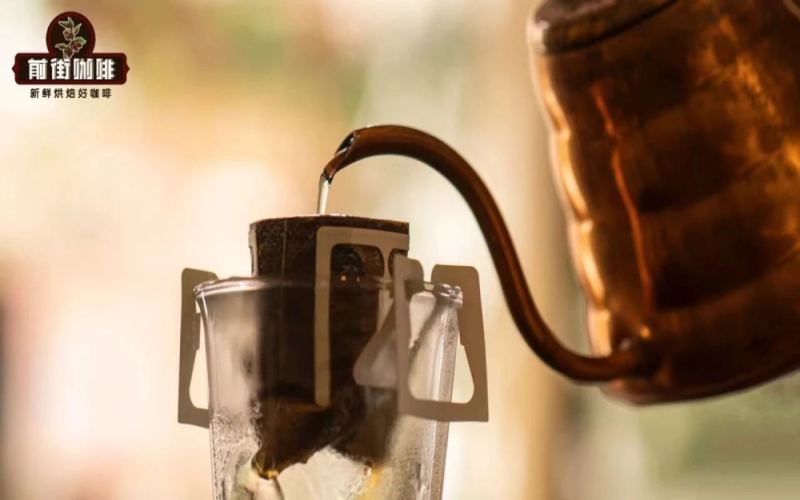
Drip bag coffee brewing water volume vs. pour-over: Front Street Coffee barista explains brewing techniques and methods in detail
Drip bag coffee, with its convenience, has become a popular choice for enjoying black coffee in the office, at home, and while traveling. But how many milliliters of water should be used to brew a single bag of drip coffee? Can it be brewed as precisely as pour-over coffee? In this article, the baristas at Front Street Coffee will share practical brewing methods for drip bag coffee, answer common questions about brewing water volume and water temperature control, and explain why drip bag coffee cannot be brewed repeatedly. We will also introduce the flavor characteristics of three seasonal drip bag coffees—Front Street. Mandheling, Front Street. Yirgacheffe, and Front Street. Brazil Cerrado—to help you easily brew a good cup of coffee even without professional equipment. [more…]